
Do you store hazardous chemicals? What would you do if you had a spill?
Let’s be honest: it’s not something you want to think about, and we all hope it never happens.
However, if you store or use hazardous chemicals, there is always a risk of spillage—whether you’re transporting, mixing, diluting, or simply moving containers.
When things go sideways, you need a plan. Without one, the stakes are high. Even breathing in a small amount of chemicals can be extremely dangerous for your team's health. Furthermore, if you can’t manage the cleanup effectively, the affected area will be out of action for a prolonged period, creating a massive knock-on impact on your productivity.
Preparation is Key
To stay resilient, start by working out what possible chemical accidents could occur in your specific workspace. Once you’ve identified the risks, invest in the right equipment to ensure you can clean up quickly and safely.
The Gold Standard:
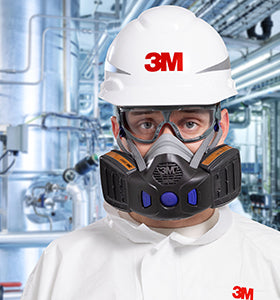
- At Best4Safety, we work closely with 3M, whose Powered Air Respirator range offers the gold standard in respiratory protection.
- User-Friendly: The 3M Versaflo systems are extremely easy to use, meaning your team can deploy them confidently under pressure.
- Versatile Protection: They offer Tier 1 protection with a wide range of filter options to cover nearly all eventualities, however remote they may seem.
The Bottom Line
Effective planning, the correct equipment, and consistent staff training mean you can ensure this safety box is properly ticked.
Don’t wait for an accident to realize you're under-equipped. By playing it safe and choosing the right gear, you ensure that if the worst-case scenario happens, your team can jump into action and get back to work.
If you would like assistance in ensuring you have the right equipment to protect against chemical spills, contact us today.

The Silent Hazard: Understanding Chemical Spills in the Workplace
Chemical spills are more than just a messy inconvenience; they represent a significant breach of workplace safety that can lead to catastrophic consequences. Whether it is a slow leak from a corroded valve or a sudden rupture of a storage drum, the immediate and long-term dangers are multifaceted, affecting human health, physical infrastructure, and the environment.
Why Spills Are Dangerous
The danger of a chemical spill is rarely limited to the liquid on the floor. Most industrial chemicals pose risks through three primary avenues:
- Respiratory Threats: Many substances, such as ammonia or chlorinated solvents, vaporize instantly upon contact with air. Inhaling these fumes can cause anything from mild throat irritation to permanent lung scarring or even fatal respiratory failure.
- Physical Hazards: Corrosive agents like sulfuric acid can eat through structural materials and PPE, while flammable liquids create an invisible "vapor cloud" that can ignite from a single spark, leading to flash fires or explosions.
- Systemic Toxicity: Some chemicals are "silent" killers that don't burn the skin but are absorbed through it, entering the bloodstream to cause organ damage, neurological issues, or long-term carcinogenic effects.
How Spills Occur
Spills are rarely the result of a single factor but rather a combination of mechanical failure and human error. Common culprits include:
- Improper Storage: Stacking containers too high or using incompatible shelving that fails under weight.
- Inadequate Training: Employees who are unaware of the specific properties of a chemical (such as its reactivity to water) may react incorrectly during a minor leak, escalating it into a major incident.
- Aging Infrastructure: Undetected corrosion in pipes or seals often leads to "slow-motion" spills that saturate the work environment over time.
The Bottom Line
Prevention through rigorous Safety Data Sheet (SDS) management, secondary containment, and regular spill-drill training is the only effective defense. When a spill occurs, the window to prevent a tragedy is measured in seconds—making preparation the most vital chemical in your inventory.