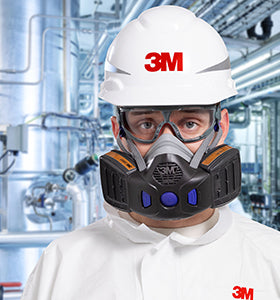

Personal protective equipment ensures you and your team are safe to operate efficiently in challenging environments. Hearing, respiratory and eye protection are often the 3 main primary concerns, however one complimentary product is often overlooked - Coveralls.
Keeping your body safe from chemicals and your environment free from contaminants can seem daunting, but Best4Safety is here to help you choose the right coveralls. The guide below covers all the essentials, and our experts are a call away to answer any further questions.
What Are Protective Coveralls Used For?
Protective coveralls help protect workers, their clothing and surrounding environments from workplace hazards. The type required depends on the task and potential exposure.
Maintaining Hygiene and Cleanliness - Food processing and pharmaceutical environments use suitable coveralls to limit the spread of fibres, dirt and other contaminants.
Protection from Physical Hazards - In construction, manufacturing and vehicle maintenance, durable cotton-polyester coveralls help protect clothing from dirt, grease and everyday wear as well as providing some protection against abrasive environments.
Protection Against Chemical Exposure - Workers handling cleaning products, pesticides or industrial chemicals may need specialist coveralls designed to prevent harmful substances reaching the skin.
Protection Against Biological Contaminants - Healthcare workers, laboratory staff and waste handlers use suitable coveralls to reduce contact with potentially harmful biological materials.
Protection from Fire and Heat - Welders and metalworkers may wear flame-resistant coveralls to reduce the risk of clothing catching fire from sparks or heat.
What Are Protective Coveralls Made Of?
Cotton and polyester blends: Durable, comfortable fabrics suited to regular wear. They are commonly used in construction, engineering and vehicle maintenance.
Polypropylene and non-woven fabrics: Lightweight materials often used for disposable coveralls. They provide a practical option for tasks involving dust, dirt and general contamination.
Coated and laminated materials: Fabrics with an added protective layer that can help resist specific liquids, particles and chemicals, making them useful for certain industrial and cleaning tasks.
Flame-resistant fabrics: Materials such as treated cotton and aramid fibres help resist ignition and limit burning, making them suitable for tasks involving sparks and heat.
Specialist protective fabrics: Designed for specific working environments, these materials can help reduce fibre release in cleanrooms or provide protection against certain biological hazards.
What Are the Risks of Not Wearing Protective Coveralls?
Without suitable coveralls, workers may face skin irritation or chemical burns, exposure to harmful particles, heat injuries or contact with biological contaminants. Contaminated clothing can also transfer hazardous substances beyond the workplace.
Which Coveralls Are Right for Me?
Start by identifying workplace hazards, such as chemicals, dust, heat or biological contaminants. Check that the garment meets the relevant safety standards and suits your risk assessment. Consider visibility, comfort and durability, then decide whether disposable or reusable coveralls are appropriate.
Browse our collection of protective coveralls here

FAQs
What is the difference between coveralls and overalls? Coveralls typically cover the torso, arms and legs, while overalls often have shoulder straps and an open upper body.
When should you wear disposable protective coveralls? When a task requires single-use protection against dust, dirt or contaminants.
Can protective coveralls be washed and reused? Some can, provided the manufacturer's cleaning instructions allow it.
How should protective coveralls fit? They should provide adequate coverage and allow comfortable movement without excessive loose material.
How often should protective coveralls be replaced? Replace them when damaged, unsuitable for further use or contaminated beyond safe cleaning.
What do Type 5 and Type 6 coveralls mean? Type 5 protects against certain airborne solid particles; Type 6 provides limited protection against liquid sprays and splashes.
What other PPE should be worn with protective coveralls? Depending on the hazards, this may include gloves, safety footwear, eye protection and respiratory equipment.